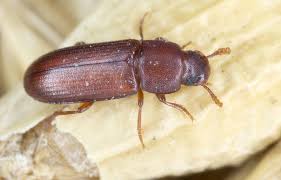
Effective Tobacco Beetle Control for Stored Products
Pests in stored products cause immense economic damage globally every single year. For facility managers, agricultural producers, and quality assurance teams, identifying infestations early prevents significant revenue loss and massive supply chain disruption. Implementing robust Tobacco Beetle Control (菸甲蟲防治) protocols ensures your valuable inventory remains intact and safe from these highly destructive insects. This comprehensive breakdown highlights the latest industry statistics and answers the most pressing questions regarding effective management and eradication strategies for commercial storage facilities.
What is the economic impact of tobacco beetle infestations?
Tobacco beetles (Lasioderma serricorne) are notorious for ravaging stored commodities, ranging from dried spices and pet food to their namesake crop. Recent agricultural data highlights the severity of the issue across the global supply chain:
- Approximately 5% to 10% of globally stored agricultural goods are lost to insect pests annually, representing billions in lost revenue.
- Commercial facilities lacking proper monitoring and early detection protocols experience a 30% higher risk of total inventory contamination.
- Treatment, sanitation, and disposal of severely infested goods cost the food and agricultural industries millions of dollars each quarter.
Understanding these figures underscores the absolute necessity of proactive management. Ignoring the early signs of insect activity often leads to exponential population growth, regulatory compliance failures, and catastrophic product loss.
How do you identify an active infestation early?
Early detection relies heavily on strategic visual inspections and behavioral monitoring. Facilities must understand the indicators to act swiftly and isolate the compromised products.
- Pheromone Trapping: Utilizing specialized traps remains the most effective monitoring tool available today. Studies show that facilities using targeted pheromone traps detect insect presence 40% faster than those relying solely on visual routine checks.
- Physical Damage: The beetles create perfectly round, pinpoint holes in cardboard packaging, plastic wrapping, and the organic products themselves.
- Debris Accumulation: A fine, dust-like powder often gathers beneath infested pallets or shelving, indicating active boring and feeding by the larvae.
What are the most effective eradication techniques?
When an outbreak occurs, immediate action minimizes the collateral damage to surrounding inventory. Industry professionals rely on a combination of specific treatments based on the severity and scale of the infestation.
- Temperature Manipulation: Exposing stored goods to extreme temperatures is highly effective and leaves no chemical residue. Data indicates that maintaining a core temperature of -15°C (5°F) for six consecutive days achieves a 99.9% mortality rate across all life stages of the insect.
- Commercial Fumigation: For large-scale storage facilities and massive silos, chemical fumigation using approved industrial agents quickly eliminates widespread, deeply entrenched populations.
- Controlled Atmospheres: Replacing ambient oxygen with carbon dioxide or nitrogen in sealed storage environments boasts a 95% success rate over a two-week application period, providing a highly effective, chemical-free alternative for sensitive organic goods.
How can commercial facilities prevent future outbreaks?
Eradication solves the immediate crisis, but long-term prevention secures your bottom line. Integrating statistical monitoring with rigorous hygiene practices creates a remarkably hostile environment for all stored product pests.
- Strict Sanitation Protocols: Removing spilled organic material, dust, and debris from the facility floor reduces the likelihood of a secondary infestation by over 50%.
- Inventory Rotation: Implementing a strict First-In, First-Out (FIFO) inventory management system ensures older stock does not sit idle and become a prime breeding ground.
- Climate Control: Maintaining ambient storage temperatures below 18°C (64°F) significantly slows the reproductive cycle of most stored product pests, actively suppressing rapid population growth.
Securing Your Inventory Long-Term
Maintaining the integrity of stored products requires constant vigilance, employee training, and data-driven management strategies. By understanding the statistical realities of pest damage and implementing the targeted solutions discussed above, facility managers can effectively protect their assets from degradation. Developing a comprehensive and proactive management plan today ensures your supply chain remains secure, compliant, and highly profitable tomorrow.