30-Year Mortgage Rates: Worst Climb in 13 Months
30-year mortgage rates have climbed to their highest level in 13 months, signaling potential challenges for homebuyers. This increase could impact affordability and housing demand.
Current Trends in Mortgage Rates
The landscape of mortgage rates has seen significant changes recently, with the average rate on a 30-year mortgage experiencing its worst climb in 13 months. This surge has caught the attention of both potential homebuyers and industry experts alike.
Currently, the average rate stands at a striking level, reflecting a broader trend of increasing borrowing costs. Analysts suggest that this upward trajectory is influenced by several key factors:
- Inflation Concerns: Persistent inflation is prompting the Federal Reserve to adjust interest rates, which directly impacts mortgage rates.
- Economic Indicators: Recent economic data suggests a robust job market, leading to speculation that higher rates might persist.
- Global Events: Geopolitical tensions and supply chain disruptions are also contributing to uncertainty in the financial markets.
As the average rate on a 30-year mortgage climbs, potential buyers may find themselves reassessing their financial strategies. Experts recommend that those looking to enter the housing market stay informed and consider locking in rates sooner rather than later, as the trends indicate continued volatility.
Impact of Rising Rates on Homebuyers
The recent surge in 30-year mortgage rates has created significant challenges for potential homebuyers. As rates hit their highest levels in 13 months, many are feeling the financial strain. This increase not only impacts affordability but also alters the dynamics of the housing market.
Homebuyers are now facing:
- Higher Monthly Payments: The increase in mortgage rates means that monthly payments will rise, making it more difficult for buyers to stay within their budgets.
- Decreased Purchasing Power: With higher rates, buyers may have to settle for less expensive homes or compromise on their desired features.
- Tighter Competition: As some buyers are priced out, the market could shift, potentially leading to a decline in demand for higher-priced properties.
Furthermore, many prospective buyers are reevaluating their timelines. Some may delay their purchases in hopes that rates will stabilize or even decrease. The current environment poses a tough challenge, requiring homebuyers to navigate their options carefully while considering the implications of rising 30-year mortgage rates.
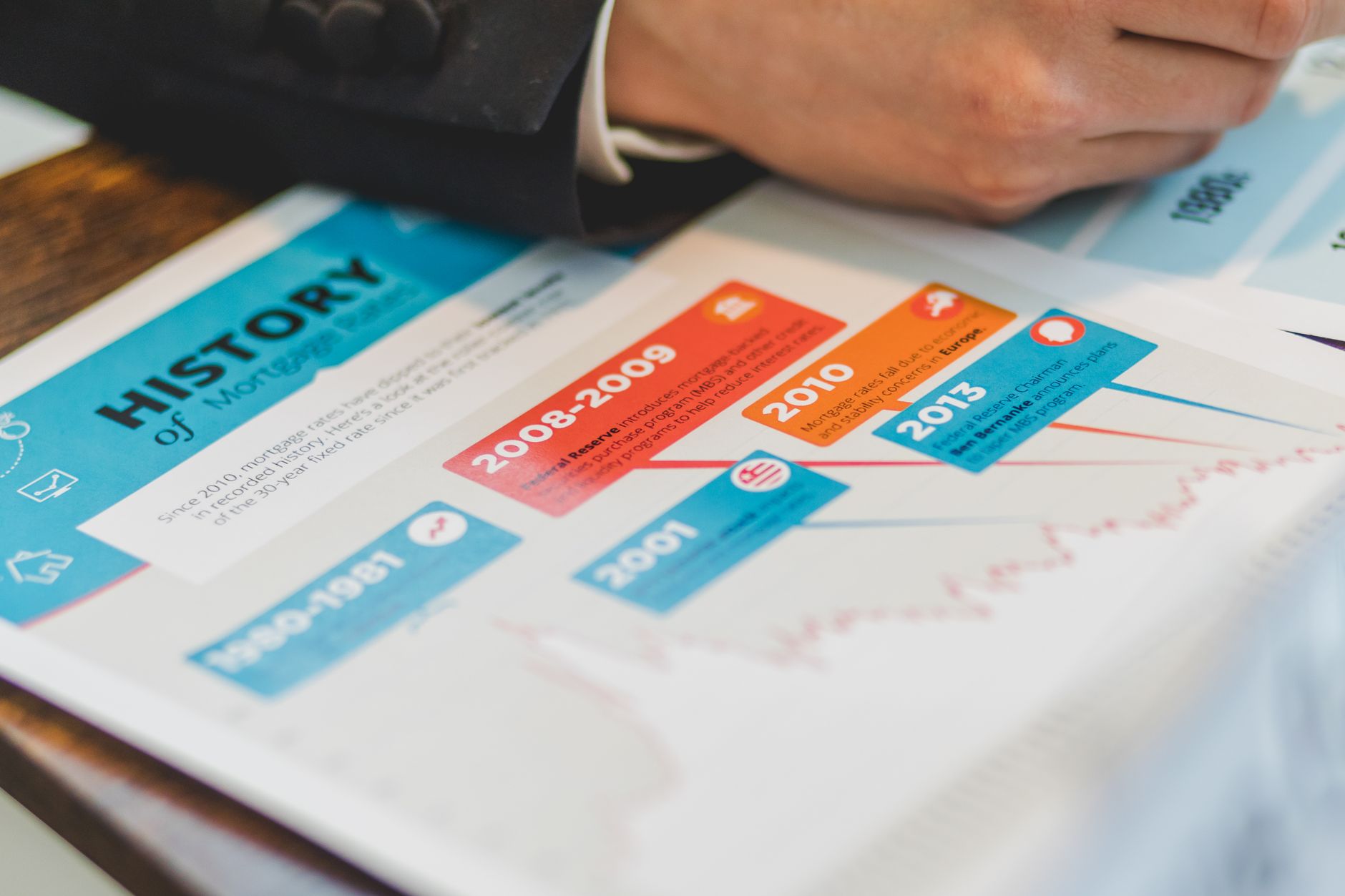
Historical Comparison of Mortgage Rates
The recent spike in 30-year mortgage rates marks the steepest increase observed in over a year, prompting concerns among potential homebuyers and the housing market at large. To understand the gravity of this situation, it is essential to look back at historical trends of mortgage rates.
In the preceding months, rates had been relatively stable, hovering around the 3% mark. However, a sudden shift occurred, resulting in rates reaching levels not seen since the early part of 2022. This surge has not only unsettled buyers but also raised questions about affordability and market dynamics.
Historically, mortgage rates fluctuate based on a variety of economic factors. Here are some key points for comparison:
- 2020-2021: Rates dipped to historic lows, falling below 3% in response to the pandemic.
- Mid-2018: Rates peaked near 5%, impacting buyer sentiment significantly.
- 2008 Financial Crisis: Rates fell sharply as the economy struggled, ultimately stabilizing around 4%.
Understanding these historical comparisons helps contextualize the current climb in 30-year mortgage rates and its implications for the future of home financing.
Expert Opinions on Future Rate Changes
Experts are weighing in on the implications of the recent spike in 30-year mortgage rates, which have reached their highest levels in over a year. Many analysts predict that this upward trend may continue, driven by a combination of economic factors.
According to Emily Roberts, a senior economist, “The increase in rates is a reflection of ongoing inflation concerns and the Federal Reserve’s tightening policies.” She emphasizes that potential homebuyers should prepare for a challenging market, stating, “Higher rates can significantly impact affordability, making it imperative for buyers to act swiftly.”
Similarly, Mark Thompson, a mortgage broker, suggests that while current rates are discouraging, they may not deter all buyers: “Many are still motivated by the desire for homeownership, despite the financial hurdles posed by rising rates.” He notes that first-time buyers might be particularly affected, as they often have less flexibility in their budgets.
As the market adapts, experts recommend that buyers stay informed about rate trends and consider locking in rates when favorable opportunities arise. Overall, the outlook remains uncertain, with many factors influencing future rate changes.
The recent surge in 30-year mortgage rates has left many potential homebuyers feeling uncertain about their purchasing power. As the 30-year mortgage rates continue to rise, experts predict a slowdown in the housing market.
Photo by RDNE Stock project on Pexels