Exploring the Evolution and Functionality of Dado Rails
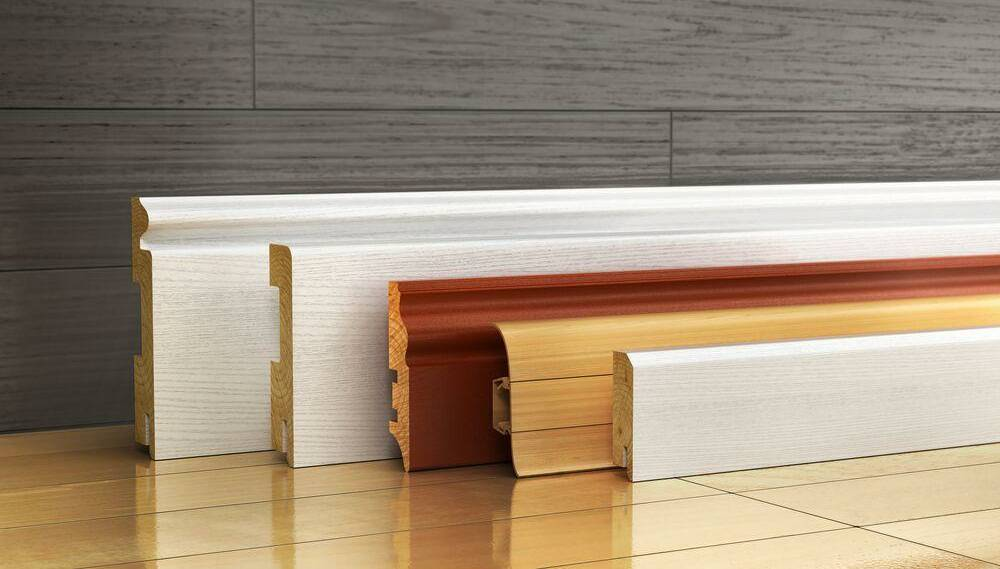
Have you ever heard the term dado rails? Dado rails are horizontal boards found on walls in homes and other buildings. They are not only decorative, but also functional. They have been around for centuries and have evolved over time to meet the changing needs of the home. In this article, we will explore the evolution and functionality of dado rail.
Dado rails were first used in the late 17th century as decorative elements in grand homes. These wooden rails were placed at the base of walls to protect them from furniture and other items being pushed up against them. They were also used as a design element to separate different types of wall coverings, such as paneling and wallpaper. As the use of wallpaper became more common in the 18th and 19th centuries, dado rails became an important part of interior design. Wallpapers were often hung in two or three parts with a dado rail dividing them. This created a sophisticated and elegant look.
Today, dado rails are still used as a design feature, but they also have a more practical purpose. They can prevent damage to walls in high traffic areas like hallways and stairwells. They can also be used to break up large walls and add interest to a room’s architecture. Dado rails can be made from a variety of materials including wood, plaster, and even metal. They can be painted or stained to match the surrounding walls or left in their natural state for a more rustic look.
One important element of dado rails that has evolved over time is their size and placement. Early dado rails were often quite high, sometimes even halfway up the wall. This made them more of a decorative element than a functional one. Today, dado rails are typically placed at the same height as a door handle, around three feet from the floor. This is the perfect height to protect walls and catch the backs of chairs or other furniture.
Another important development in dado rails over time is the use of multiple rails in a single room. In large rooms, two or more rails can be used to break up the wall space and add visual interest. These rails can be placed at different heights to create a layered effect. This is particularly effective in rooms with high ceilings where the walls can look bare and uninteresting.
Conclusion:
Dado rails have come a long way since their beginnings as decorative elements in grand homes. They have evolved over time to meet changing design trends and practical needs in the home. Today, dado rails are an important part of interior design and can be used in a variety of ways to add both style and function. Whether you are looking to protect your walls from damage or add interest to a large room, dado rails are a great option to consider. So, the next time you walk into a room and notice a horizontal board running along the wall, you’ll know it’s not just for decoration.